The call usually comes after a heavy rain, or the first hard freeze of winter. A homeowner in Suffern or Newburgh heads down to the basement and hears that sound nobody wants to hear - a sump pump running nonstop, water ticking into a bucket, or worse, the soft squish of a wet carpet near the foundation wall. By the time you can actually see water, the problem has usually been building for weeks or months.
Around here in Rockland and Orange County, water damage isn't just about one big storm. It's the slow stuff that gets you. A loose gutter spike. A downspout dumping water two feet from the house. A cracked hose bib after a January cold snap. Industry data shows that roughly 1 in 60 insured homes files a water damage or freezing claim in a typical year, and I can tell you from being in crawl spaces, attics, and basements across the Hudson Valley for more than 20 years, that number feels about right.
The good news is most water damage is preventable. Not all of it, of course - nobody can stop every storm or every pipe failure - but homeowners can absolutely stack the deck in their favor. The key is knowing where water gets in, what warning signs matter, and which repairs are worth doing before you're tearing out drywall, flooring, and insulation. That's what this guide is about: real-world ways to prevent water damage home Hudson Valley homeowners can actually use.
Start at the Roof: Gutters, Flashing, and Drainage
Your roofline is the first place water wins or loses
Most water intrusion starts high and works its way down. I tell homeowners to think of the roof, gutters, and flashing as one system, not three separate parts. You can have decent shingles, but if the step flashing around a chimney is loose or the gutter is overflowing at one corner, water still finds a path behind fascia boards, into soffits, and eventually into walls. In our area, I like to inspect rooflines twice a year - once in late spring after the freeze-thaw season, and once again in fall after the leaves come down.
Gutters need the right size, slope, and discharge
For most homes in Rockland and Orange County, 5-inch K-style gutters are the minimum, and on steeper roof sections or larger homes, 6-inch gutters are often the better call. Gutters should pitch about 1/16 to 1/8 inch per foot toward the downspout so water actually moves instead of sitting. Every downspout should discharge at least 6 to 10 feet away from the foundation using solid extensions or buried SDR-35 pipe, not those little splash blocks that stop short after a storm. I also recommend heavy-duty leaf protection only after the gutters are correctly pitched and secured - products like Leaf Relief or Raindrop Gutter Guard work better when the base system is already solid.
Flashing and roof penetrations are where hidden leaks start
The spots I watch closest are chimney flashing, skylights, plumbing vent boots, and the intersection where a roof meets a wall. A lot of homeowners focus on shingles because that's what they can see from the yard, but failed flashing is often the real culprit. On repairs, I prefer a proper metal flashing detail with an ice and water membrane such as Grace Ice and Water Shield under vulnerable areas, especially around eaves, valleys, and penetrations. Roof cement has its place for a temporary patch, but it shouldn't be the long-term game plan.
Keep water moving away from the house
Even a perfect gutter system won't help much if the ground around the house is flat or reverse-pitched. Walk outside during a hard rain and watch where the water goes. That's one of the best inspections you can do. You want water leaving the roof, entering the gutters, moving down the downspouts, and ending up well away from the foundation with no pooling near entry steps, basement windows, or AC pads. That simple observation has saved my customers in Nyack and Middletown from a lot of expensive repairs.
On a rainy day, stand at each downspout for 30 seconds. If water is spilling over the gutter face or bubbling out at an elbow, you've got a clog, bad pitch, or an undersized line.
Homeowners often replace a section of gutter but leave short downspout extensions in place. The new gutter works fine, but the foundation still gets soaked because the water stops too close to the house.
Protect the Basement: Foundation, Grading, and Sump Systems
Start with the dirt around the house
The cheapest waterproofing fix is often outside, not inside. Your soil should slope away from the house about 6 inches over the first 10 feet. When I see mulch piled high against siding, flower beds pitched toward the foundation, or settled walkways trapping runoff against the house, I know we're going to have basement moisture sooner or later. Regrading with clean fill and topping with proper topsoil can do more for a damp basement than a lot of interior patch jobs.
Foundation cracks and penetrations need the right repair
Not every crack means structural trouble, but every crack is worth looking at. Hairline shrinkage cracks can sometimes be stable, while wider or active cracks need closer evaluation. For seepage through non-structural cracks, an epoxy or polyurethane injection can work well when the crack is properly cleaned and prepped. What doesn't work for long is smearing hydraulic cement over a wet crack and hoping for the best. It might slow things down for a season, but it usually doesn't solve the pressure outside the wall.
Sump pumps need backup, not just power
In homes with chronic groundwater, a sump system is your last line of defense. I like a cast-iron pump such as the Zoeller M53 for many standard applications, paired with a check valve and a discharge line that exits well away from the foundation. In storm season, especially around spring thaw, I strongly recommend a battery backup system like the Wayne ESP25 or a water-powered backup where local conditions allow. Power outages and heavy rain love to show up at the same time, and that's exactly when a single pump fails you.
Don't forget basement windows, drains, and humidity
Old steel basement windows, window wells without covers, and clogged footing drains are classic problem areas in older homes. Install clear polycarbonate well covers where appropriate, keep wells free of leaves, and make sure any drain in the well is actually open. Inside the basement, keep relative humidity under 50 percent with a 50- to 70-pint dehumidifier sized for the space. I like homeowners to use a simple hygrometer so they're not guessing. Moisture doesn't have to be standing water to damage framing, drywall, and stored belongings.
Run your sump pump by pouring a 5-gallon bucket of water into the pit every few months. It should activate, drain quickly, and shut off cleanly without rattling or short-cycling.
A lot of homeowners paint basement walls with waterproofing paint before fixing gutters and grading. The coating may help a little, but it won't stop exterior water pressure pushing against the wall.
Control Interior Leaks: Plumbing, Appliances, and Humidity
Small plumbing leaks cause big repairs
Some of the worst water damage jobs I've handled started with a drip nobody noticed. A pinhole leak over a finished ceiling, a loose dishwasher connection, or a slow toilet seal leak can soak subfloors and framing long before you see staining. I tell homeowners to inspect under every sink once a month with a flashlight. Touch the shutoff valves, supply lines, and trap connections with a dry paper towel. If it comes back damp, you've found something early.
Upgrade the weak points before they fail
Old rubber washing machine hoses should be replaced with braided stainless steel supply lines, and washing machines should have a drain pan if they're on a finished floor or second level. Water heaters should also sit in a properly piped drain pan when possible, and once a tank gets into the 10- to 12-year range, I want homeowners thinking ahead instead of waiting for a rupture. Smart leak detection devices like Moen Flo or Phyn Plus can be a great investment, especially for seasonal homes or busy families who travel.
Freeze protection matters in the Hudson Valley
Every winter I see burst lines at sillcocks, garage walls, crawl spaces, and unfinished basements. Exterior hose bibs should be frost-free where possible, and interior shutoffs should be closed and drained before sustained freezing weather. Exposed pipes in vulnerable areas should be insulated with at least 1/2-inch wall foam insulation, and in very cold spots I sometimes recommend heat cable rated for plumbing use, installed exactly to manufacturer specs. One missed section of copper or PEX near an outside wall can turn into a major insurance claim.
Moisture from inside the house is still water damage
Not all water problems come from storms or plumbing failures. Bathroom fans that vent into attics, dryer ducts leaking moist air, and AC condensate lines clogged with algae can create rot and mold just as surely as a roof leak. Bathroom exhaust fans should vent outdoors, not into soffits or insulation. Central AC condensate lines should be flushed seasonally, and a float switch on the air handler is cheap insurance. Keep indoor humidity around 40 to 50 percent in summer so condensation doesn't build on windows, ducts, and cool basement surfaces.
Put cheap battery leak alarms under the dishwasher, washing machine, water heater, and basement sink. They're not fancy, but they alert you fast and cost a lot less than replacing flooring.
People replace a burst section of pipe in winter but never address the cold-air leak that froze it in the first place. Without air sealing and insulation, the same line can fail again.
Common Mistakes to Avoid
The biggest mistake I see is treating water stains like cosmetic issues. Homeowners paint over a ceiling mark, recaulk a window, or run a dehumidifier harder without tracking the actual source. Water rarely travels in a straight line, so the stain you see in a family room might be coming from a roof boot, a second-floor bathroom, or flashing two rooms away. You want to diagnose first and patch second.
Another common mistake is relying on temporary products as permanent fixes. Roof tar, expanding foam, basement waterproof paint, and generic caulk all have uses, but they aren't magic. On exterior gaps and joints, I prefer products made for the job, like OSI Quad Max for siding transitions or Sikaflex sealants for certain masonry and concrete details. The right product matters, but surface prep matters even more. Dirt, loose paint, and wet surfaces ruin a lot of repairs before they even start.
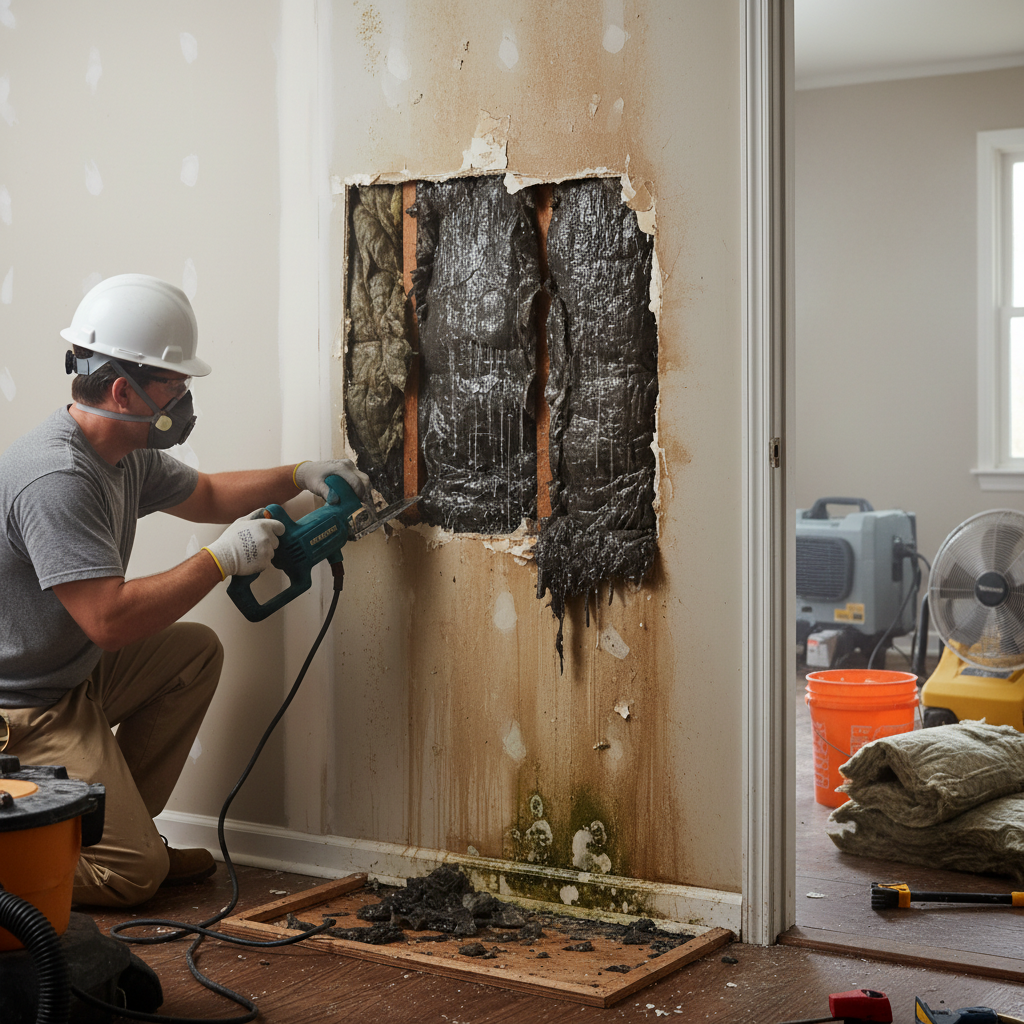
Homeowners also wait too long on maintenance because the house still feels dry enough. That's how clogged gutters turn into rotted fascia, and how a little seepage becomes mold behind finished basement walls. Once insulation gets wet and stays wet, you're not just fixing the leak anymore. You're paying for demolition, drying equipment, possible mold remediation, and reconstruction.
The last mistake is skipping documentation and routine checks. A simple seasonal checklist with photos can save you time with contractors and insurance carriers later. I like homeowners to take dated pictures of the roofline, basement corners, water heater, and utility area every spring and fall. It's a lot easier to prove a new issue or catch a change when you've got something to compare it to.
When you find moisture, trace the path before you open your wallet. Start at the highest likely source, then work down. That's how pros avoid repairing the symptom instead of the cause.
Spend a few hundred dollars on gutter cleaning, regrading, and pipe insulation before winter. That's usually far cheaper than one deductible, one drywall repair, or one week of drying equipment.
Cost Breakdown: What to Expect
Water damage prevention costs vary a lot depending on whether you're handling maintenance or correcting a bigger drainage problem. For basic DIY items, homeowners usually spend about 20 to 60 dollars on leak alarms, 30 to 80 dollars on foam pipe insulation and weatherproofing materials, 75 to 250 dollars on downspout extensions and splash management, and 200 to 450 dollars on a good dehumidifier. A smart shutoff system can run 500 to 1,500 dollars plus installation, but in the right house it can pay for itself fast.
For professional work in Rockland County and Orange County, handyman and service labor commonly falls in the 95 to 140 dollar per hour range depending on the trade, travel, and complexity. Licensed plumbers are often in the 150 to 225 dollar per hour range, and roof repair crews may price by the repair rather than pure hourly time. Typical gutter cleaning runs about 175 to 350 dollars for many single-family homes, gutter resecuring and minor pitch correction may land around 250 to 900 dollars, and replacing damaged flashing often runs 400 to 1,500 dollars depending on access and roofing type.
Basement and exterior drainage work is where costs climb. Regrading one problem side of a house may cost roughly 800 to 3,000 dollars depending on equipment access and fill needed. A sump pump replacement is often 650 to 1,400 dollars installed, while a primary pump with battery backup can run 1,400 to 3,000 dollars. Crack injection might cost 500 to 1,200 dollars per crack, and more involved waterproofing systems can move well beyond that. Compare those numbers with a real water loss, where drying, demo, mold treatment, and rebuilds can easily push 5,000 to 20,000 dollars or more.
The smartest way to budget is by priority. First handle anything that directs bulk water away from the house - gutters, downspouts, grading, roof leaks. Then move to failure points like old hoses, sump backups, and vulnerable plumbing. Finally, deal with humidity and monitoring upgrades. Prevention isn't free, but it's almost always cheaper than restoration.
Bundle seasonal work into one service visit - gutter cleaning, minor caulking, sump testing, and hose replacement. You'll usually save compared to calling different trades for small separate jobs.
Set aside a yearly home maintenance budget of 1 to 2 percent of your home's value, with a specific line for drainage and plumbing prevention. That habit prevents small water issues from becoming emergency projects.
📍 How This Applies to Homes in Rockland & Orange County
Homes in the Hudson Valley take a beating from moisture because we don't just get one weather pattern - we get all of them. Harsh winters, freeze-thaw cycles, spring moisture, sudden summer downpours, and sticky humidity all work on a house in different ways. In Rockland County towns like Nanuet, Spring Valley, Suffern, Nyack, and New City, I often see water issues tied to mature trees, clogged gutters, older drainage layouts, and homes where decades of landscaping changed the grading without anyone realizing it.
A lot of houses in both Rockland and Orange County were built before the 1970s, and those older homes have their own personality. Some have stone or block foundations, older footing drains, steel basement windows, and partial waterproofing that never kept up with today's storm intensity. In Middletown and Newburgh especially, I've worked on homes where one side of the property stays wet longer because of slope, shade, or compacted soil. Those houses need a more aggressive plan for drainage, sump backup, and humidity control than a newer subdivision home might.
Winter is where hidden weak points show up. A tiny roof flashing gap lets in meltwater. An uninsulated pipe in a garage wall freezes during a cold snap. Ice dams form along eaves where attic insulation and ventilation aren't balanced. Then spring comes, the ground saturates, and basement seepage starts right when snowmelt and rain overlap. By summer, the problem changes again - now you've got basement dampness, condensation on cool surfaces, and mold-friendly humidity levels.
That's why local prevention has to be seasonal. In fall, clean gutters, extend downspouts, shut down hose bibs, and insulate exposed pipes. In winter, watch for ice buildup and drafts near plumbing walls. In spring, walk the property during rain and check for pooling near the foundation. In summer, keep basement humidity below 50 percent and service AC condensate lines. The homeowners who stay ahead of those seasonal shifts are the ones who usually avoid the big water damage bills.
Frequently Asked Questions
Ready to Get Started?
Get Your Free Estimate Today
Serving Rockland County & Orange County, NY. Professional results, guaranteed.
Request a Free Estimate →