Exterior Painting Orange County NY: How to Protect and Beautify Your Home's Siding
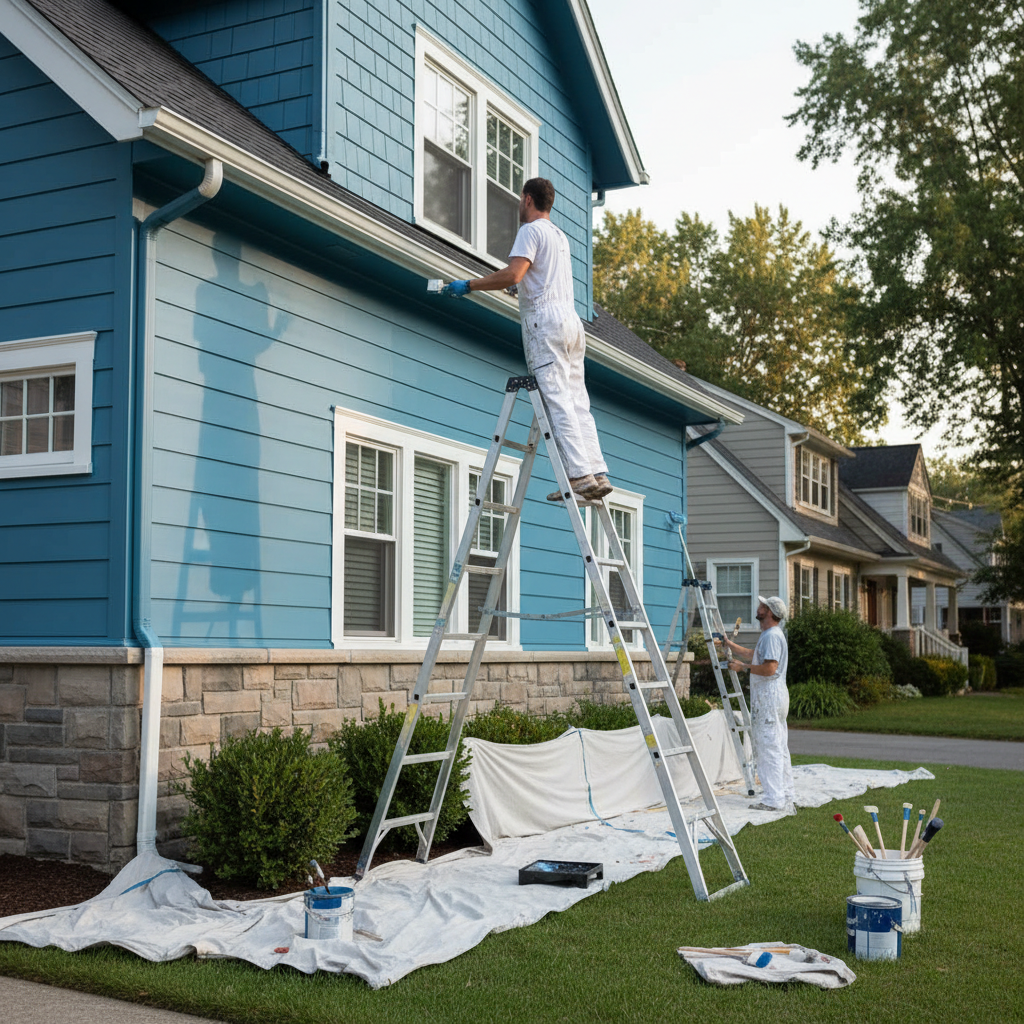
A durable exterior paint job does more than freshen curb appeal—it seals out Hudson Valley weather before it turns small siding issues into expensive repairs.
Most homeowners don't notice the trouble until the late afternoon sun hits the side of the house just right. That's when the fading shows up, the old caulk lines look split, and the paint that seemed fine from the driveway suddenly looks chalky and tired. I've walked up to plenty of homes in Orange County and Rockland where the owner thought they just needed a fresh color, and ten minutes later we were talking about moisture getting behind clapboards and trim starting to soften around windows.
Around the Hudson Valley, exterior paint takes a real beating. Between winter freeze-thaw cycles, spring moisture, and those sticky July and August days, siding expands, contracts, and holds onto dampness longer than people realize. In many neighborhoods, especially around older homes, I see south- and west-facing walls fail first because they get hammered by UV and weather swings. A paint job here isn't just cosmetic. It's part sunscreen, part raincoat, and part early warning system for the condition of the house underneath.
A well-done exterior painting project can add years to wood siding, protect trim, and make the whole property look cared for again. But the difference between a paint job that lasts 3 to 4 years and one that still looks solid at year 8 usually comes down to prep, timing, and product choice. That's where a lot of homeowners get burned. They buy good paint, skip the boring steps, and end up paying twice.
Why Exterior Paint Is Really a Protective System
A lot of folks think exterior painting is mostly about color. Color matters, sure, but on a house in the Hudson Valley, paint is really the last protective layer in a whole system. Siding, trim, flashing, caulk, primer, and topcoat all have to work together. When one part fails, the paint usually gets blamed first, even though the real issue may be open joints, wet wood, or old layers peeling underneath.
On wood and engineered wood siding, I always look for three things before talking colors: moisture content, adhesion of the old coating, and movement at joints. A moisture meter reading should generally be below 15% before primer goes on. Anything higher, and you're trapping trouble. For gaps up to 1/4 inch, a high-quality paintable sealant like Sherwin-Williams SherMax or Benjamin Moore Ultra Spec acrylic caulk works well. Bigger gaps usually need repair, not just more caulk stuffed in.
What Actually Makes Paint Last
Long-lasting exterior painting starts with surface soundness. Loose paint gets scraped to a firm edge, then feather-sanded with 80- to 120-grit so you don't see sharp ridges telegraphing through the finish. Bare wood gets spot-primed, and weathered areas often need a bonding or sealing primer such as Zinsser Peel Stop Triple Thick for rough edges or INSL-X Stix where adhesion is questionable. After that, two finish coats are better than one heavy coat every time. Most quality exterior acrylics are designed to spread around 350 to 400 square feet per gallon on smooth surfaces, less on rough cedar or textured siding.
Choosing Paint for Siding and Trim
For most homes in Orange County NY, 100% acrylic exterior paint is the safest bet. I've had good results with Benjamin Moore Regal Select Exterior, Benjamin Moore Aura Exterior, and Sherwin-Williams Duration or Emerald on properly prepared siding. Satin or low-lustre finishes are popular because they shed water well and clean easier than flat, but they won't highlight every little surface defect the way a glossier finish can. Trim can go satin or semi-gloss depending on style, but I don't push super-shiny finishes on older houses unless the substrate is in excellent shape.
One thing homeowners appreciate once the job is done is how much better the house feels buttoned up. Proper exterior painting helps slow UV damage, seals hairline surface checking in wood, and gives you a chance to catch rot early around belly bands, corner boards, window sills, and rake trim. That inspection part is half the value of the job.
Before painting wood siding, press a putty knife into suspect trim at window bottoms and near downspouts. Soft spots there usually mean you need repair work before any primer goes on.
Homeowners often choose paint first and prep second. Around here, skipping scraping, sanding, and caulking is the fastest way to see peeling within two or three seasons.
How to Prep Siding the Right Way Before Painting
Prep is where the job is won or lost. I've been on houses where the old paint was chalking so badly you could wipe your hand across the siding and come away dusty. Paint doesn't bond well to dirt, mildew, chalk, or loose fibers. First step is always a wash. That might be a gentle pressure wash in the 1,200 to 1,800 PSI range with the right fan tip and safe distance, or it might be a hose, pump sprayer, scrub brush, and cleaner on older wood where pressure could do damage. Mildew gets treated, not painted over.
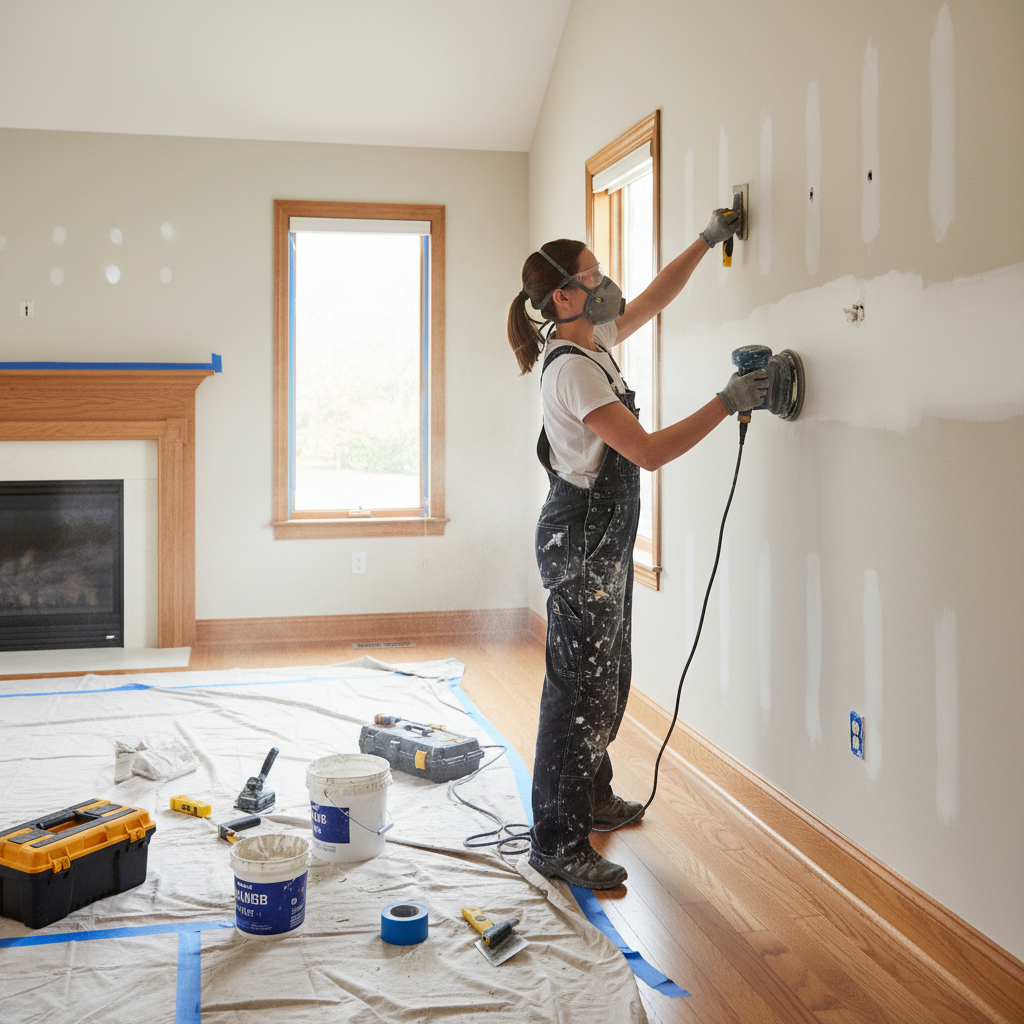
Once everything is dry, I go section by section. Peeling areas are scraped with carbide scrapers and a 5-in-1 tool, then sanded smooth. Nail heads that have backed out get reset. Failed caulk gets cut out and replaced. Any punky wood gets consolidated or replaced depending on how deep the damage goes. Small shallow defects can be repaired with an exterior epoxy filler, but long-term rot repair usually means cutting out the bad piece and installing new primed trim.
Primer Isn't Optional on Problem Areas
Primer should match the condition of the surface, not just the topcoat brand. Bare wood, filler patches, exposed end grain, and repaired spots all need primer. On cedar or redwood with tannin bleed, an exterior oil or stain-blocking primer may be the right call in isolated areas. On heavily weathered siding, a penetrating primer can buy you better adhesion. The goal is an even, sealed surface so your finish coats cure uniformly and don't flash or peel around patched sections.
Timing the Work Around Weather
This part matters more in our area than people think. Ideal painting weather is usually between about 50 and 85 degrees, with low wind and no rain in the forecast for at least 24 hours after application, longer if nighttime temperatures are dropping. I also watch dew point and overnight humidity. A wall that looks dry at 3 p.m. can be damp again by evening. Starting on the shady side in the morning and following the sun carefully helps keep a wet edge and avoids lap marks on large walls.
When the prep is thorough, the finish looks better and lasts longer, plain and simple. Homeowners notice the color. Contractors notice the substrate. The two are connected.
Wash the house at least 24 to 48 hours before scraping and priming, and longer after humid or rainy weather. Siding that feels dry on the surface can still hold moisture in joints and end grain.
Using a pressure washer too aggressively can force water behind clapboards and blow out old wood fibers. On pre-1970s houses, gentle cleaning is usually the smarter move.
Common Mistakes to Avoid
The biggest mistake I see is painting over failing paint because the house still looks mostly intact from the street. Up close, you find curling edges, cracked caulk, and soft trim. New paint can't glue a bad surface back together. It may look nice for one season, then start lifting around seams and exposed edges.
Another common issue is picking the wrong day to paint. Around Rockland and Orange County, a warm afternoon can fool you. But if the siding is still damp from morning dew, or a thunderstorm rolls through that evening, you can end up with surfactant leaching, poor curing, or early blistering. I've also seen dark colors applied to old wood siding without enough thought. Darker colors absorb more heat, which can increase movement and stress already-fragile boards.
Skipping primer on bare spots is another expensive shortcut. Homeowners sometimes figure the finish coat is premium paint, so it should do everything. It won't. Bare wood, patched areas, and chalky spots need the right primer so the topcoat has something solid to bite into. The same goes for caulk. Cheap painter's caulk on exterior joints usually shrinks, cracks, and lets water right back in.
The last one is underestimating how much detail work matters. Window trim bottoms, butt joints in siding, horizontal ledges, garage door surrounds, and fascia ends all fail faster than broad flat walls. That's where water sits and where a careful painter earns his keep. Spend your attention there, and the whole job lasts longer.
Ask whoever is painting your house how they handle failed caulk, moisture testing, and bare wood priming. A real pro will answer clearly and specifically, not just say they pressure wash and paint.
Repairing and spot-priming early peeling on one wall can delay a full repaint by a couple of years. Waiting until water gets into trim usually turns a paint project into a carpentry project.
Cost Breakdown: What to Expect
For homeowners budgeting exterior painting in Orange County NY, the biggest cost drivers are siding type, house size, access, prep condition, and how much trim detail the home has. A straightforward ranch with vinyl or previously painted wood in decent shape costs a lot less than a tall colonial with peeling cedar, dormers, shutters, and a detached garage. Prep labor is what changes numbers fast.
DIY material costs for a typical 1,500 to 2,000 square foot home can run roughly $800 to $2,500. That usually includes cleaner, scraper blades, sandpaper, caulk, primer, 10 to 15 gallons of quality exterior paint, roller covers, brushes, masking, and maybe ladder rental. If you need to buy extension ladders, pump sprayers, or a decent airless sprayer, the DIY budget climbs quickly. And that's before you put a value on your time.
Professional pricing in Rockland and Orange County generally falls around $2.50 to $6.50 per square foot of paintable exterior surface for standard jobs, with extensive prep, wood repairs, difficult access, or premium coatings pushing higher. Labor rates for experienced exterior painters and handyman contractors in the area often land in the $65 to $110 per hour range depending on crew size, insurance, and scope. For many homes, full exterior painting ends up in the $6,000 to $15,000 range. Larger homes, heavily weathered wood siding, or homes needing carpentry can run $18,000 or more.
Trim-only refreshes, shutter painting, front entry upgrades, or one-sided repaints after weather damage can be more manageable projects. Caulking and spot repairs might cost a few hundred to a couple thousand dollars depending on access and extent. One thing I tell homeowners all the time: don't compare estimates by gallon count alone. Compare prep scope, primer plan, number of finish coats, repair allowances, and exactly what's included around windows, fascia, downspouts, and detached structures.
The cheapest bid is often cheap because the prep is thin. A fair quote should spell out washing, scraping, sanding, caulking, priming, finish coats, cleanup, and whether minor carpentry is included or billed separately. That paperwork matters.
Paint before trim rot spreads. Replacing a few feet of corner board is manageable; rebuilding multiple window surrounds after water damage is where costs jump fast.
Walk your home's exterior every spring with binoculars or a ladder-safe inspection plan. Catching cracked caulk and peeling on sun-exposed walls early can add years before a full repaint.
📍 How This Applies to Homes in Rockland & Orange County
Exterior painting has its own rhythm here in the Hudson Valley, and homeowners in Rockland County and Orange County know the weather can turn on you fast. We deal with harsh winters, freeze-thaw cycles, spring moisture that seems to hang around forever, and summer humidity that slows drying on shaded sides of the house. That's why timing and prep matter more here than they might in a milder climate. A siding system that might coast along in another region gets stress-tested every year around here.
A lot of homes in places like Nyack, Suffern, New City, Nanuet, and Spring Valley are older, and many pre-1970s houses have layers of old coatings, patch repairs, and trim profiles that need a careful approach. On older wood clapboards, I look for alligatoring, open joints, and end-grain exposure near corners and window trim. You can't rush those houses. They need proper washing, scraping, sanding, selective priming, and often carpentry touch-ups before paint ever comes out.
Over in Middletown and Newburgh, I see a mix of older homes and newer developments, but the same weather issues show up: sun-faded south walls, mildew on shaded north sides, and peeling around trim where spring moisture sits. Homes near trees or with poor gutter drainage usually wear faster. In neighborhoods with lots of shade, mildew prevention and regular washing become part of maintaining the paint job, not just getting ready for the next one.
For local homeowners searching for exterior painting Orange County NY services, the best results usually come from planning the work around stable weather windows and treating paint as a protective system, not just a color update. Around here, a good exterior paint job should make the house look sharper, yes, but it should also help it stand up to another Hudson Valley winter without taking on water where it shouldn't.
Frequently Asked Questions
Ready to Get Started?
Get Your Free Estimate Today
Serving Rockland County & Orange County, NY. Professional results, guaranteed.
Request a Free Estimate →