The call usually starts the same way: a little ceiling stain after a hard rain, a bathroom fan that stopped working, or a loose front step that 'just needs a quick fix.' Then I get there, open up one small area, and we find the real story hiding underneath. That tiny stain leads to rotten roof sheathing. That loose step is attached to a stringer that's split clean through. What looked like a handyman job on the phone turns into contractor work the minute the wall comes open.
Around Rockland and Orange County, I see this all the time, especially in older houses where one repair is sitting on top of three older repairs. In pre-1970s homes, it's common to find plaster over patched drywall, cast iron tied into PVC, or a bathroom exhaust fan venting straight into the attic. Homeowners aren't wrong for being unsure. The line between a handyman and a licensed contractor isn't always obvious until somebody gets into the work.
Here's the good news: picking the right pro upfront can save you a pile of money and aggravation. A solid handyman is perfect for the right kind of job and can knock out a punch list faster and cheaper than a full contractor crew. But when permits, structure, roofing, electrical, plumbing changes, or hidden damage enter the picture, you want a licensed contractor who knows how to scope it properly and get it done without cutting corners. That's the difference this article will clear up.
What a Handyman Can Handle Without Turning a Small Job Into a Big One
The sweet spot for a handyman
A good handyman is built for repairs, adjustments, and small installations that don't change the structure or major systems of the house. I'm talking about replacing a leaky kitchen faucet with a Moen or Delta unit, re-caulking a tub surround with GE Advanced Silicone 2, patching a drywall hole that's under about 12 inches by 12 inches, swapping out a damaged interior door slab, installing baseboard, hanging shelves, replacing a garbage disposal, or tightening up a wobbly handrail. These are the jobs where experience matters, but you don't necessarily need a full permit-driven project.
Why handymen are great for punch lists
Where a handyman really shines is the multi-item visit. Say you've got a loose storm door closer, two cracked GFCI plates, peeling caulk around a vanity backsplash, a bi-fold closet door off track, and a section of shoe molding missing in the hallway. One skilled person with a van full of basic stock can usually handle all of that in one trip. That's a lot more efficient than calling four separate trades. In older homes, a handyman also knows the little tricks: pre-drilling old trim to avoid splitting it, shimming a door jamb with cedar shims, using 2 1/2-inch cabinet screws instead of cheap drywall screws, and priming water stains with Zinsser B-I-N before touching the paint.
Where homeowners get tripped up
The mistake I see most is assuming that because a job looks small, it is small. A cracked bathroom floor tile might seem like a repair, but if the subfloor is soft around the toilet flange, that can turn into cutting out rotten plywood, checking the joists, resetting the flange height, and making sure the wax ring or better yet a Fluidmaster Better Than Wax seal sits correctly. Same goes for a simple backsplash install. Once outlets need to be extended, walls need flattening, or there are signs of prior water damage, the scope can jump fast.
The practical rule of thumb
Here's the easy rule I give homeowners: when the work is cosmetic, like-for-like, or confined to surface repairs, a handyman is usually the right first call. When the work changes framing, layouts, wiring, supply lines, drains, waterproofing systems, or anything that may trigger inspection, you're moving out of handyman territory. Handymen are there to keep a house tight, functional, and presentable. They are not there to gamble with the stuff behind the walls.
How to get the most value
Before booking, make a real list instead of one item at a time. Group together 5 to 10 small repairs so you're not paying multiple trip charges. Take photos, include measurements where you can, and note anything odd like 'door rubs at top left by 1/4 inch' or 'window trim soft on sill.' That helps the handyman show up with the right materials and tells you quickly whether the job should be escalated to a contractor instead.
Bundle small jobs into one visit. A six-item punch list usually gives you much better value than paying separate minimum charges for six separate appointments.
Homeowners often buy materials before anyone sees the job. Then we arrive and the faucet doesn't fit the sink holes, the door slab is the wrong swing, or the quarter-round profile doesn't match the existing trim.
When a Licensed Contractor Is the Right Call
Projects that need more than a repair guy
Once a project touches structure, waterproofing, roofing, permits, or system changes, you're in licensed contractor territory. That includes removing or altering walls, replacing deck framing, rebuilding stairs, installing windows where rot has spread into the framing, finishing a basement, remodeling a bathroom, running new electrical circuits, upgrading a service panel, relocating plumbing, or repairing water damage that has moved beyond the surface. These jobs need planning, sequencing, and usually a paper trail.
Why licensing and coordination matter
A licensed contractor doesn't just send a body to the house with tools. He scopes the work, figures out what has to happen first, lines up the right trade at the right time, and knows when the building department needs to be involved. Let's say a shower has been leaking for two years behind the tile. A proper fix may mean demo, mold cleanup, sistering damaged studs, replacing subfloor, setting a new shower pan or waterproof system like Schluter-KERDI, adjusting plumbing valve depth, cement board installation, flood testing, then tile. That's not a handyman patch. That's a controlled rebuild.
The hidden technical stuff homeowners don't always see
Some work looks simple from the finished side but is technical underneath. Replacing a front stoop might mean proper concrete depth and slope. Rebuilding a deck stair often means matching rise and run consistently and landing on solid footings. Here in New York, exterior footings commonly need to be below the frost line, which is often around 42 inches depending on the application and local code requirements. A contractor also knows details like flashing with Grace Vycor or equivalent around penetrations, using Simpson Strong-Tie connectors where needed, and fastening exterior assemblies with structural screws instead of coated deck screws where load matters.
Red flags that say 'stop and level up'
Soft floors, repeating cracks, musty smells, black staining, outlets that trip when used, sagging headers, and doors that suddenly stop latching after years of working fine are all signs that the issue may be beyond a basic repair. Same goes for any project where one trade affects another. A kitchen sink swap sounds easy until the shutoffs are frozen, the drain is S-trapped, the outlet isn't GFCI protected, and the cabinet floor is damaged from an old leak. At that point, you want a contractor who can own the bigger picture.
General contractor vs specialty contractor
One more thing homeowners mix up: a general contractor is the person who manages the whole project, while specialty contractors focus on one trade like electrical, plumbing, roofing, or masonry. For a bathroom remodel, for example, a general contractor may handle demolition, carpentry, tile, scheduling, and overall accountability, while licensed plumbing and electrical subs come in for their parts. For a simple leak under a sink, you may only need the plumber. For a rotten bathroom floor with plumbing, tile, and framing involved, a general contractor is usually the smarter call.
Any time you're opening a wall around a bathroom, kitchen, or exterior door, assume the visible damage may only be 30 to 50 percent of the real repair and budget accordingly.
A lot of homeowners hire a handyman for a bathroom or deck because the starting price is lower, then end up paying twice when waterproofing, framing, or permit issues show up later.
Common Mistakes to Avoid
Mistake 1: Hiring by price instead of scope
The cheapest number on the phone usually isn't the cheapest job in the end. A handyman quoting a shower repair without opening anything up may sound affordable, but if the pan has failed or the backer board is saturated, the real cost hasn't even been identified yet. On the flip side, paying contractor rates for a simple punch list is also wasteful. The right hire starts with the right scope, not the lowest quote.
Mistake 2: Skipping the insurance and documentation check
Whether it's a handyman or contractor, ask for proof of insurance. Not a promise, not 'I'll send it later'—actual proof. For larger jobs, you also want a written scope that lists demolition, prep, materials, patching, cleanup, disposal, and who's responsible for surprises. I can't tell you how many times I've seen a homeowner think painting was included, or think debris haul-away was included, only to find out it wasn't in writing.
Mistake 3: Treating older-house problems like new-house problems
A wall in a 1958 ranch in New City doesn't behave like a wall in a newer townhouse in Middletown. Old plaster cracks differently, old framing is rarely perfectly straight, and old plumbing shutoffs love to crumble the moment somebody touches them. Homeowners get into trouble when they buy prefab materials before measuring the actual opening, or when they assume a vanity that's 36 inches on paper will slide into a 36-inch alcove that is really 35 5/8 inches after tile and out-of-square walls.
Mistake 4: Paying too much upfront and leaving decisions to the field
For small jobs, a deposit for special-order materials may be reasonable, but big upfront cash payments on vague scopes are a bad idea. Another mistake is leaving all finish choices until installation day. Pick the faucet spread, cabinet hardware hole spacing, paint sheen, tile size, and trim profile before work begins. That's how you avoid delays, return trips, and those expensive 'while you're here' decisions that blow the budget.
For any repair that may involve hidden water damage, ask the pro to include a base price plus a clearly stated allowance for concealed conditions so there are no surprises.
Spend a little on a paid site visit for larger jobs. A thorough inspection up front is usually cheaper than hiring the wrong person and redoing work later.
Cost Breakdown: What to Expect
Typical local labor rates
In Rockland County, handyman labor commonly lands around $95 to $140 per hour depending on experience, travel, and whether it's a one-man operation or a small company. In Orange County, you'll often see a little more range, roughly $85 to $125 per hour for solid handyman work. Licensed contractor rates are usually higher because overhead, insurance, licensing, supervision, and coordination are higher. Skilled carpentry or general contractor labor often falls around $120 to $175 per hour, while licensed plumbing and electrical service calls can run $150 to $225 per hour or more, especially when diagnostics or emergency timing are involved.
What common jobs usually cost
For handyman-type work, a faucet replacement might run $225 to $450 plus the fixture, a drywall patch and paint blend for a small hole might be $250 to $500, a toilet reset could be $200 to $400 if nothing underneath is damaged, and installing a pre-hung interior door can land around $350 to $700 depending on trim work. Contractor-level jobs climb because the scope changes. Rebuilding a small section of rotted exterior trim and the sheathing behind it may be $800 to $2,000. Replacing a tub surround with proper waterproofing can easily reach $3,500 to $8,000. A small bathroom refresh may start around $7,500, while a true bathroom remodel with tile, plumbing, electrical, ventilation, and permits can run well into the five figures.
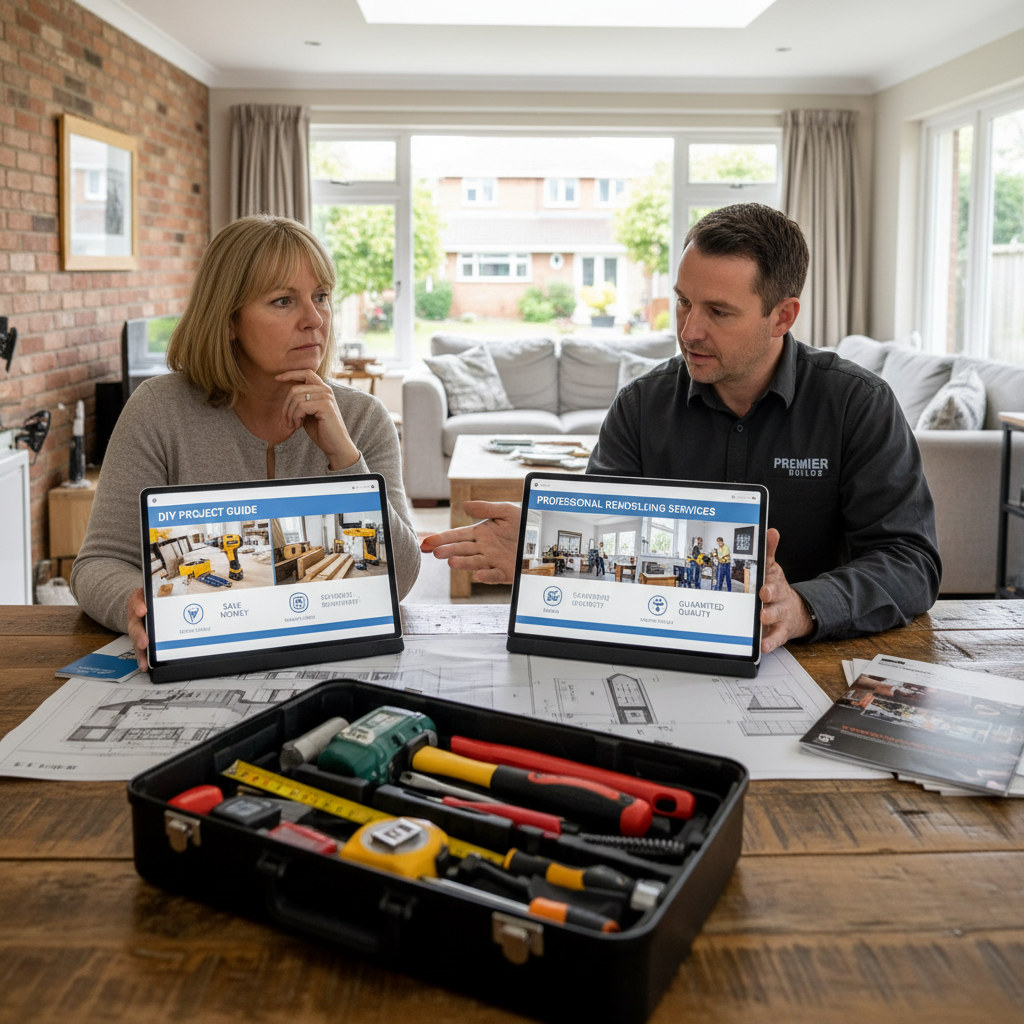
DIY costs vs professional costs
DIY can save real money on true surface work. Re-caulking a tub might cost $20 to $40 in materials if you buy painter's tape, mineral spirits, a quality caulk gun, and one or two tubes of GE Advanced Silicone 2. Patching a small drywall ding may only cost $30 to $75 with 20-minute mud, mesh tape, a 6-inch knife, sanding sponge, and paint. But once specialty tools, troubleshooting, or concealed damage enter the picture, DIY gets expensive fast. One bad toilet reset can ruin flooring. One poorly flashed exterior repair can invite water into the wall for years. One incorrectly installed shower niche can lead to a full tear-out.
The extra costs people forget
Homeowners usually remember labor and materials but forget dump fees, permit fees, trim replacement, primer, matching paint, tile overage, hardware upgrades, and access issues. In older houses, add a little cushion for surprises. Pulling off 4-inch backsplash tile may take the drywall paper with it. Removing an old vanity might reveal no shutoff valves, rotted flooring, or a drain that's not centered for the new cabinet. That's why estimates for older homes often include notes about concealed conditions.
Where the money is best spent
My honest advice: pay professionals for anything involving water, exterior envelope details, electrical, or structural work. Save DIY for painting, simple hardware swaps, caulking, and other low-risk cosmetic items if you're comfortable. The most cost-effective move for a lot of homeowners is using a handyman for annual maintenance and a licensed contractor for any project that opens walls, changes systems, or affects resale and safety.
Ask for pricing by project, not just by the hour, when the scope is clear. That makes it easier to compare apples to apples and avoids surprises from slow progress.
A $150 service call to re-caulk a failed joint, tighten a railing, or reseal a small exterior gap can prevent a $1,500 to $5,000 repair a year later.
📍 How This Applies to Homes in Rockland & Orange County
Here in Rockland County and Orange County, the handyman-versus-contractor decision gets shaped by the houses themselves. In Nanuet, Spring Valley, Suffern, Nyack, and New City, a lot of homes built before the 1970s come with the usual Hudson Valley surprises: plaster walls, uneven framing, old windows, tired exterior trim, and a mix of old and updated plumbing and electrical. A handyman can be a huge help with maintenance in these homes, but once you start uncovering old water damage, outdated wiring, or structural settling, it's time to bring in a licensed contractor.
The Hudson Valley climate is a big part of the story. Harsh winters and freeze-thaw cycles beat up masonry, steps, railings, caulk joints, siding, and roof penetrations. Spring moisture exposes leaks that sat quietly all winter, and summer humidity swells doors, raises trim joints, and makes basement moisture problems more obvious. A handyman is perfect for the aftermath of seasonal wear—re-caulking, re-securing loose hardware, replacing small sections of trim, patching drywall from minor leaks. But when freeze-thaw damage starts affecting foundations, stoops, flashing, decking, or wall framing, that's contractor work.
I see a different version of the same issue in Middletown and Newburgh too. Some homes are newer, but plenty of properties still have older additions, finished basements, or DIY updates from previous owners. That's where homeowners get fooled. The room looks fine until you pull a baseboard and see moisture, or remove a light fixture and find a mess of splices. A local contractor who's worked in these towns knows how often one 'small' repair ties into ventilation, insulation, drainage, or permit history.
For Hudson Valley homeowners, the smartest approach is seasonal and practical. Use a handyman to stay ahead of the little stuff before winter and after spring rains. Use a licensed contractor when the repair involves the building envelope, hidden damage, mechanical systems, decks, stairs, remodels, or anything that could affect safety and resale. Around here, the homes that hold up best are the ones where small issues get handled early and bigger ones get handled properly.
Frequently Asked Questions
Ready to Get Started?
Get Your Free Estimate Today
Serving Rockland County & Orange County, NY. Professional results, guaranteed.
Request a Free Estimate →